16 tháng 10 năm 2026, 14:23Cập nhật ngày 16 tháng 10 năm 2026, lúc 15:30
Thời gian đọc: 10 phút
 Tôi thích U24 Media hơn trên Google.
Tác giả
Oleksandr Liemienov
Chủ tịch Hội đồng quản trị của tổ chức tư vấn StateWatch.
Volodymyr Nastenko
Nhà phân tích tại tổ chức nghiên cứu StateWatch.
Vào tháng 3 năm 2026, khi Mỹ và Israel tiến hành các chiến dịch quân sự chống lại Iran nhằm vào năng lực tên lửa và cơ sở hạ tầng quân sự của nước này, các chuyên gia từ tập đoàn BARL bị trừng phạt của Nga dự kiến sẽ đến Iran để bảo dưỡng tàu Khayyam. hệ thống vệ tinh. Thời điểm này
trùng với Chiến dịch Epic Fury, chiến dịch quân sự của Mỹ nhằm làm suy yếu khả năng quân sự của Iran, và Chiến dịch Roaring Lion song song của Israel.
Các tài liệu mà UNITED24 Media xem xét cho thấy BARL vẫn duy trì vai trò của mình trong cơ sở hạ tầng vũ trụ của Iran bất chấp lệnh trừng phạt của Mỹ - và theo đuổi các thỏa thuận vệ tinh mới trị giá hàng trăm triệu đô la.
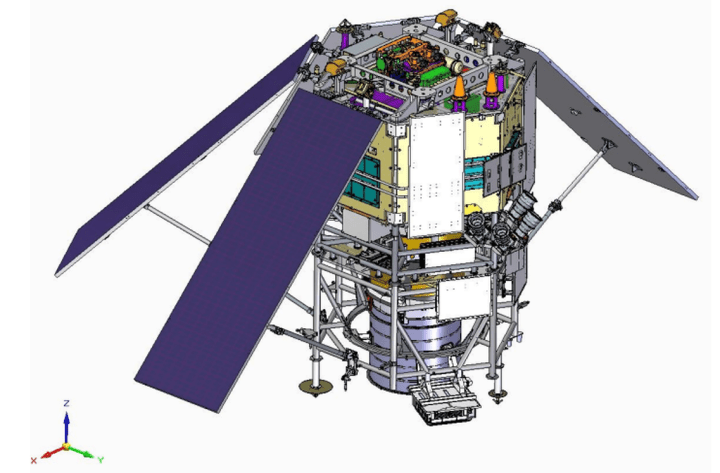
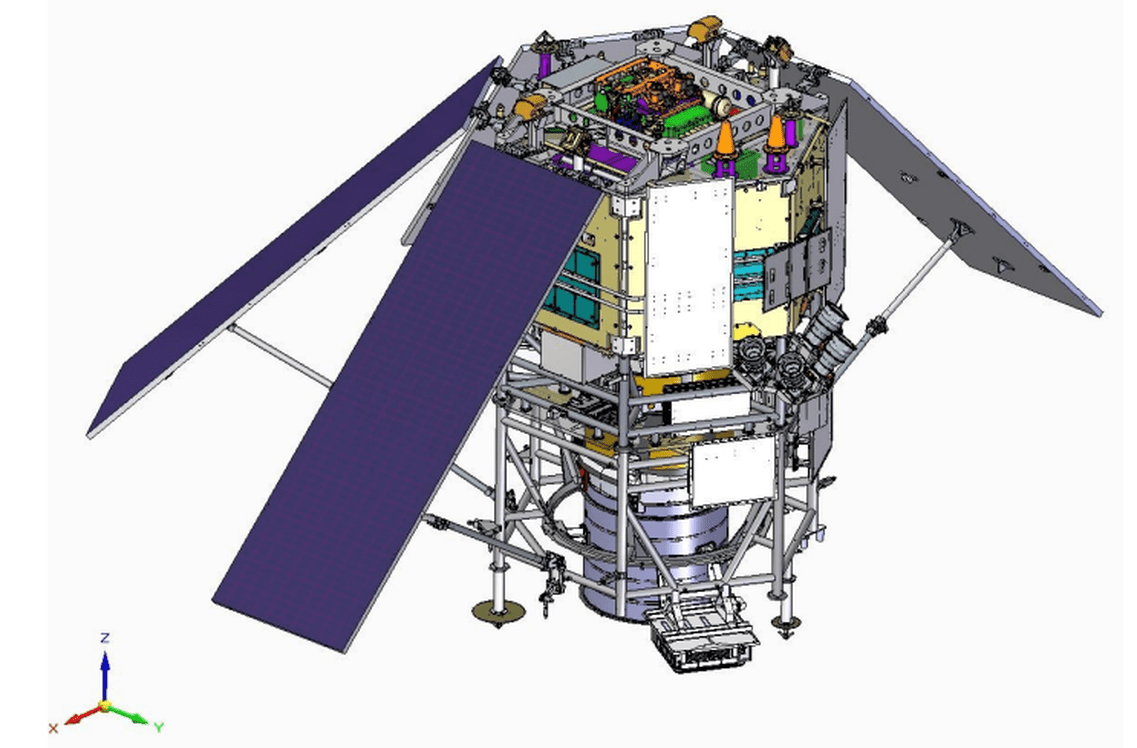
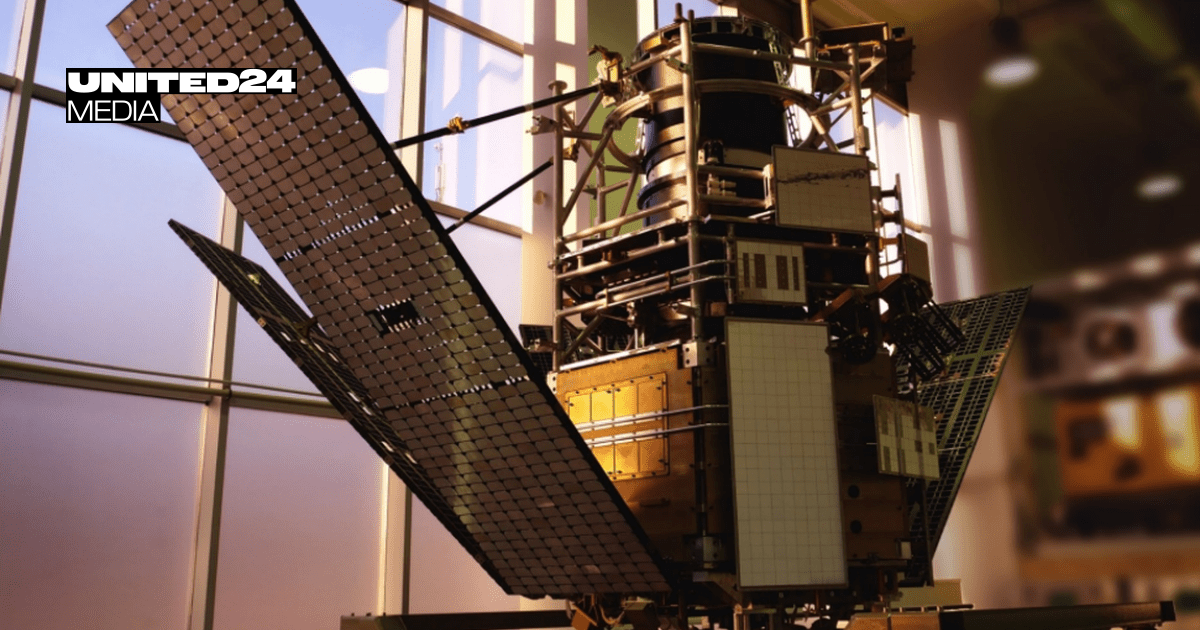
Vệ tinh Khayyam của Tập đoàn Nghiên cứu và Sản xuất BARL của Nga.
This was not a new project. Russia built Khayyam for Iran and launched it into orbit in August 2022. However, Russian contractors continued to operate the satellite system after its launch.
In January 2023, the US Treasury Department
sanctioned BARL, stating that the company had supplied high-resolution satellite imagery to the Russian military and supported Russia’s military activities in Ukraine.
Despite these restrictions, documents from 2026 indicate that the company remained involved in maintaining Iran’s satellite system.
Moreover, BARL proposed independently scheduling Khayyam’s imaging operations, receiving data at its own facility in Moscow, processing the imagery, and selling it to potential Russian customers, including the Federal Security Service (FSB) and Russia’s Ministry of Defense. The company’s documentation states that the image quality makes the data suitable for certain Russian defense and security applications.
Satellite imagery from Khayyam Satellite, Lumen Field Stadium, Seattle, Washington, USA.Satellite imagery from Khayam Satellite, Vogtle Nuclear Power Plant, Burke County, Georgia, USA.
The materials also reveal plans to build additional satellites for Iran, incorporate Khayyam technologies into new Russian space programs, and involve a separate company, Ruspace, which was presented as a commercial partner without sanctions restrictions.
A satellite built for Iran by Russian companies
Khayyam is an Earth observation satellite developed by Russia for Iran and launched into orbit on August 9, 2022, aboard a Soyuz-2.1b rocket from the Baikonur Cosmodrome.
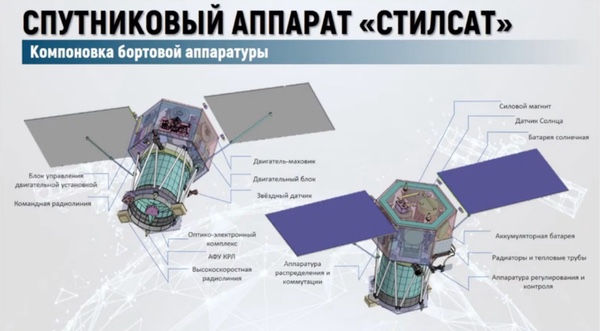
The satellite, weighing approximately 700 kilograms, was manufactured by Russia’s VNIIEM Corporation. BARL was responsible for integrating the space system and developing its ground infrastructure.
The satellite operates at an altitude of approximately 500 kilometers. Its stated spatial resolution in the panchromatic band is 0.73 meters.
These capabilities allow it to capture detailed images of transportation infrastructure, industrial facilities, military installations, and other areas of the Earth’s surface.
The system can be used for civilian monitoring but also has military applications, ranging from surveillance of specific sites to analyzing changes in infrastructure.
The ground segment developed by Russian contractors includes a flight control center and command-link station in Mahdasht, a backup facility in Tabriz, mobile stations, and satellite data processing centers.
The project’s demonstration materials contain images of sites far beyond Iran’s borders, including the Vogtle nuclear power plant in Georgia, Lumen Field stadium in Seattle, and Dubai International Airport.
These materials demonstrate the system’s technical capabilities and geographic reach. However, the fact that these sites were photographed does not, in itself, establish that the imagery was collected for specific military operations.
Launch order, satellite technical specifications, and images of sites in the US and Dubai. (Satellite technical specifications.)
How Russia planned to use Iran’s satellite
The company viewed Khayyam not only as a completed contract for Iran but also as a resource for its own customers, according to an internal BARL briefing document.
The Russian contractor proposed independently scheduling satellite imaging sessions, receiving the resulting data at its Moscow facility, processing the imagery, and delivering it to customers.
The document specifies pricing: $2.40 per square kilometer of panchromatic imagery and $3 per square kilometer of synthesized imagery.
Thus, the satellite built for Iran was also intended to become a source of commercial satellite data for the Russian market. However, potential customers were not limited to the civilian sector.
BARL’s materials explicitly state that the imagery’s technical characteristics make it suitable for certain Russian defense and security applications. This is particularly significant given the US sanctions imposed on the company.
On January 26, 2023, the US Treasury Department imposed sanctions on BARL, citing its provision of high-resolution foreign satellite imagery to the Russian military.
The company identified by US authorities as a supplier of intelligence-related information to the Russian military, therefore, remained involved in Iran’s satellite infrastructure and was exploring ways to use its data for Russian purposes.
Documents on ground infrastructure maintenance, ground stations, and a BARL.Proposal for satellite imagery.Fixed Remote Sensing Data Reception and Processing Station Located in Mahdasht, Iran.
Mobile Remote Sensing Data Reception and Processing Station (for the Khayyam Satellite).Mobile Remote Sensing Data Reception and Processing Station (for the Khayyam Satellite).
Western technology in the Russian-Iranian space program
Khayyam was developed through cooperation among enterprises within Russia’s military-industrial complex.
The project involved Izhevsk Radio Plant, Russian Space Systems, NAVIS, NILAKT DOSAAF, Antares, and the Fakel Design Bureau, according to information
provided by the satellite’s chief designer, Aleksandr Khromov, in a document titled
“Summary of Experience in Developing an Earth Remote Sensing Spacecraft by JSC VNIIEM Corporation Under a Commercial Contract During 2018–2023.”
These companies worked on radio links, navigation systems, power supplies, propulsion systems, sensors, and other components.
Despite the extensive involvement of Russian manufacturers, the satellite also depended on imported technologies.
Khromov’s document mentions Panasonic 18650 batteries and imported materials used in cable manufacturing.
The production of solar panels presented additional challenges. The Moscow-based company Kvant declined to supply them because of risks associated with the end customer, according to project documents.
The Krasnodar-based company Saturn was subsequently brought into the project. Khromov describes difficulties verifying end-user certificates within the raw-material supply chain.
This episode illustrates how important access to foreign materials and components remained for Russian space developers.
Read more
Category
War in Ukraine
Russia Is Building Its Own Starlink. How Big a Threat Is Rassvet?
Aug 06, 2026 15:09
The document also shows that the Iranian contract competed for production resources with Russia’s state defense procurement program. In some cases, the manufacturing of satellite components was postponed to accommodate more urgent requirements of Russian military programs.
For example, at JSC NIIEM, components for the Iranian satellite were removed from production machines on the instructions of A. V. Vorontsov, BARL’s deputy chief designer for Earth observation satellites, to free up capacity for manufacturing parts for other satellites. He explained the reason explicitly: work under Russia’s state defense procurement program took higher priority.
Russian companies involved in Project 505.Russian companies involved in Project 505.
New space contracts worth hundreds of millions of dollars
Cooperation between Moscow and Tehran extended beyond a single satellite.
During the initial phase, the Iranian Space Agency expressed its willingness to make an advance payment of $16.875 million. A bank guarantee was to be arranged through Post Bank Iran.
BARL subsequently discussed expanding Iran’s satellite constellation to five spacecraft.
The estimated cost of manufacturing and delivering four additional satellites was $225 million.
At the same time, Russian companies were developing a proposal for a separate satellite communications system for Iran.
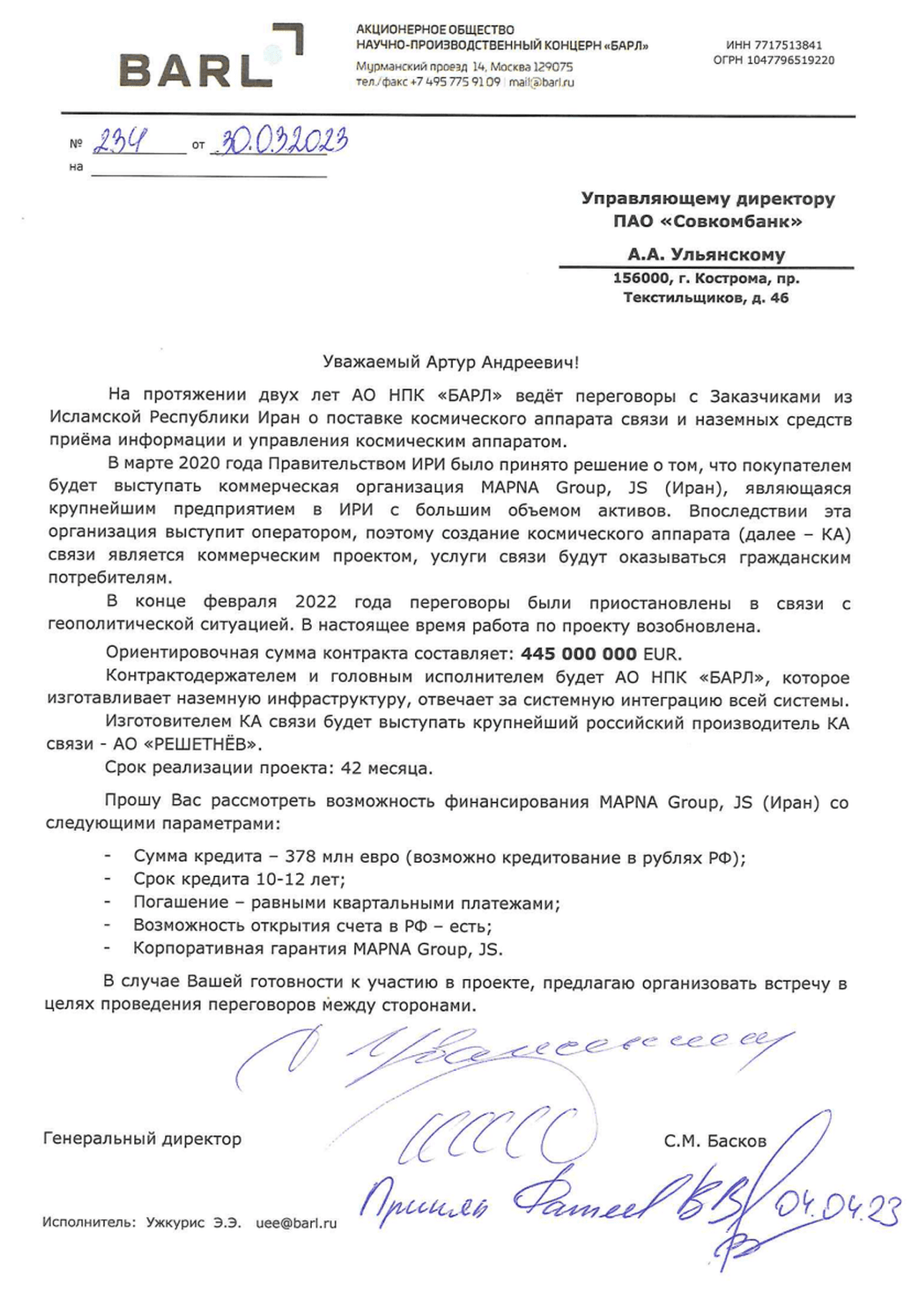
In March 2023, BARL CEO Sergey Baskov approached Sovcombank about financing the project. The total contract value was estimated at €445 million ($498 million). The requested loan amounted to €378 million (423 million), with a 10–12-year financing term.
The satellite was to be manufactured by Information Satellite Systems Reshetnev, while Iran’s MAPNA Group would serve as the buyer and operator. BARL would be responsible for system integration and ground infrastructure.
At the time of the request, Sovcombank was already under US sanctions.
The communications system’s project materials also mentioned the possibility of obtaining data from regional digital streams in the Middle East. Such capabilities could be of interest to intelligence agencies.
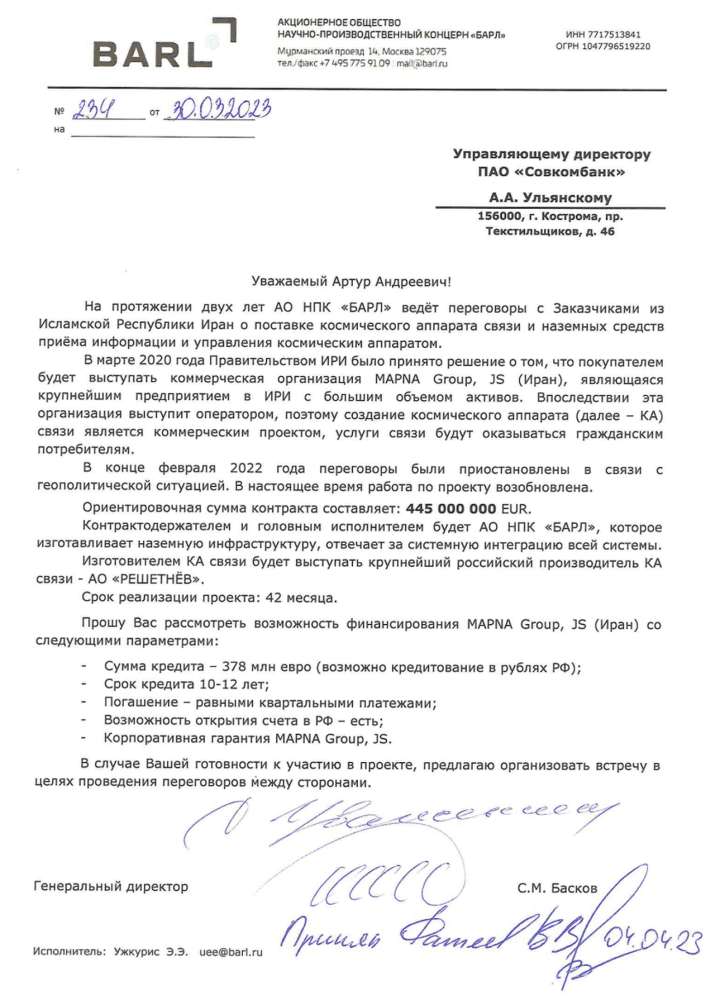
A letter from the Iranian Space Agency regarding an advance payment and a request from BARL to Sovcombank. (Letter from BARL to Sovcombank requesting financing for an Iranian satellite communications system, March 20, 2023.)
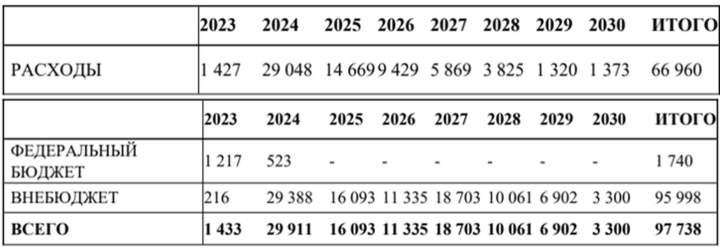
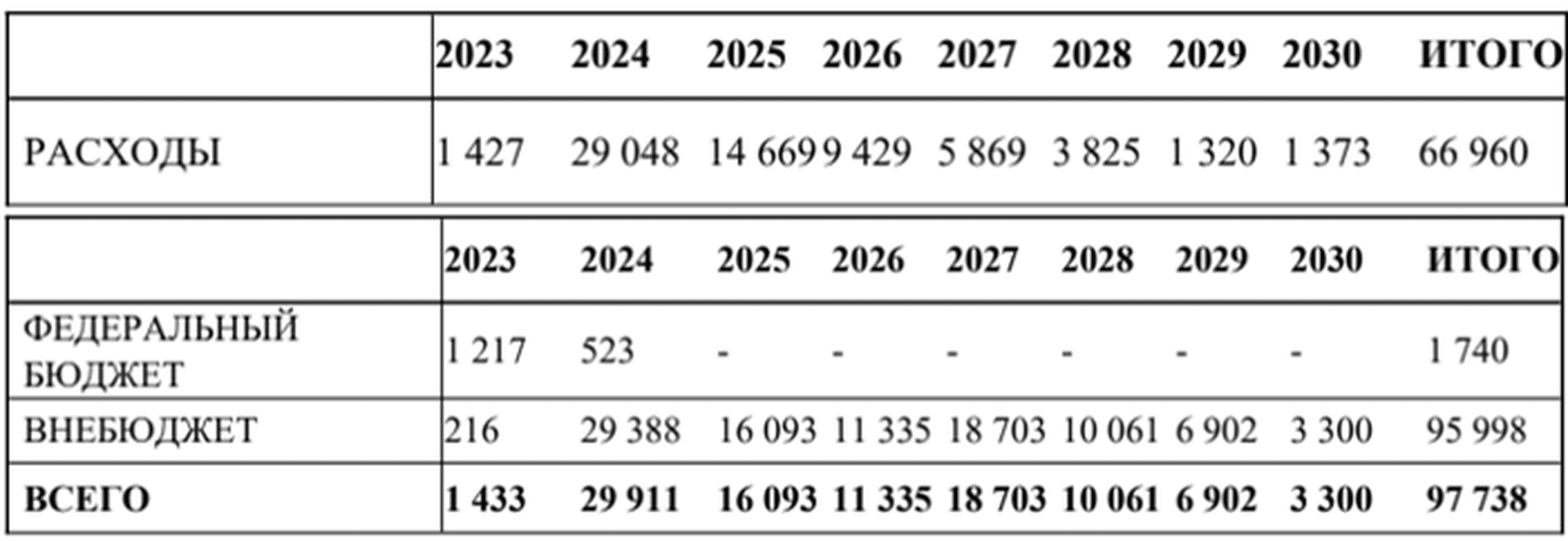
Financial table for 2023–2030.
Lessons from the Iranian project for new Russian satellites
The documents indicate that Russian developers planned to incorporate technologies developed for Khayyam into their own space programs. BARL proposed integrating solutions developed under Project 505 into new Russian satellite systems.
These included EOS-O and EOS-R.
The EOS-O project envisioned a constellation of six optical satellites with a spatial resolution of 0.5 meters.
EOS-R called for three satellites capable of observation in the visible, infrared, and radar bands.
For EOS-O, the developers planned to use several technical solutions tested during Khayyam’s development, including a Korsch optical design, high-speed radio links, active phased-array antennas, ground infrastructure, and testing facilities.
There was also continuity in personnel. The chief designer and deputy chief designer involved in EOS-O had previously worked on the Iranian satellite.
EOS-O and EOS-R required a combined $1.15 billion in financing, according to project estimates. The developers planned to recover their investments and service their debt through future contracts with Russian government customers for satellite imagery.
The Iranian contract, therefore, enabled Russian contractors to establish a manufacturing network, test technical solutions, and prepare proposals for subsequent satellite systems.
However, the existence of these plans does not mean that all the proposed satellites have already been manufactured or secured financing.
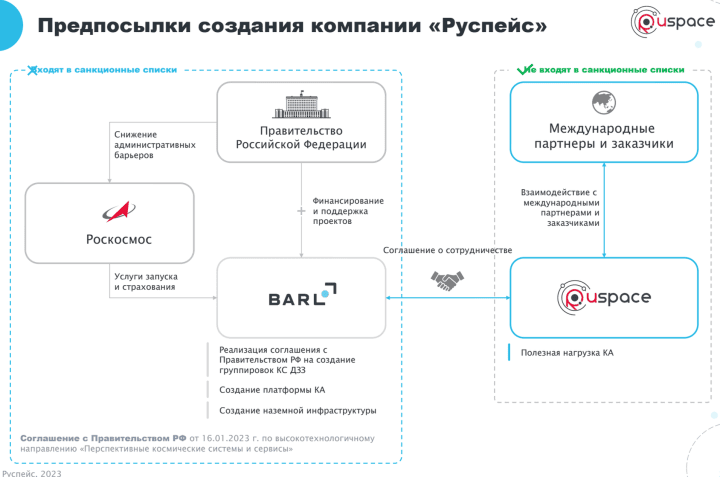
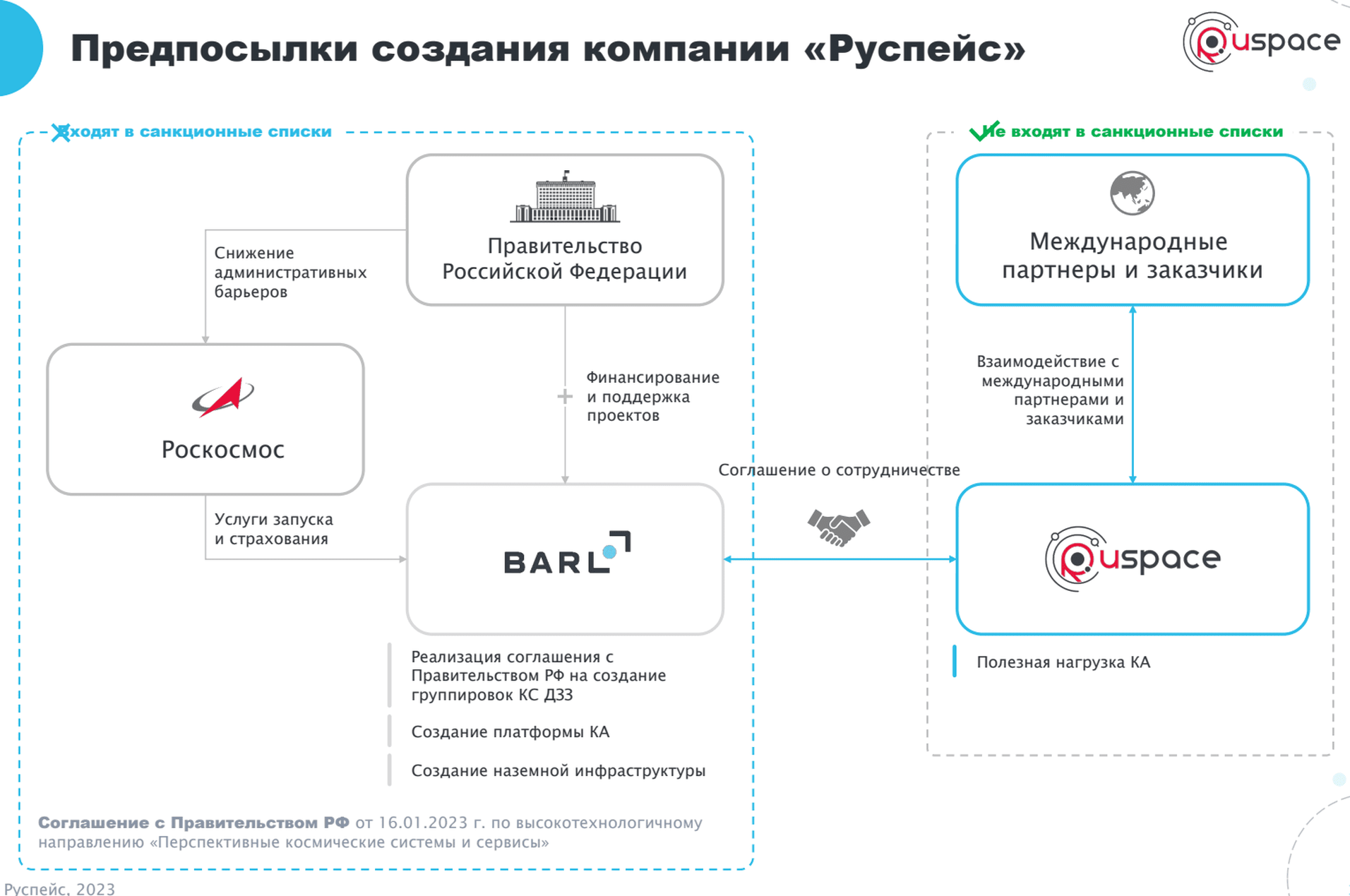
Documents concerning EOS-O, EOS-R, and funding requirements. (Ruspace presentation slide on the rationale for establishing the company and the division of roles between sanctioned and non-sanctioned entities.)
Ruspace: a new company without a direct sanctions designation
A separate set of documents concerns Ruspace, a company used to promote Russian space projects.
Its presentation materials emphasized the distinction between sanctioned enterprises within Russia’s military-industrial complex and a separate commercial entity positioned as a partner not subject to the same restrictions.
However, the documents point to direct links between Ruspace and BARL.
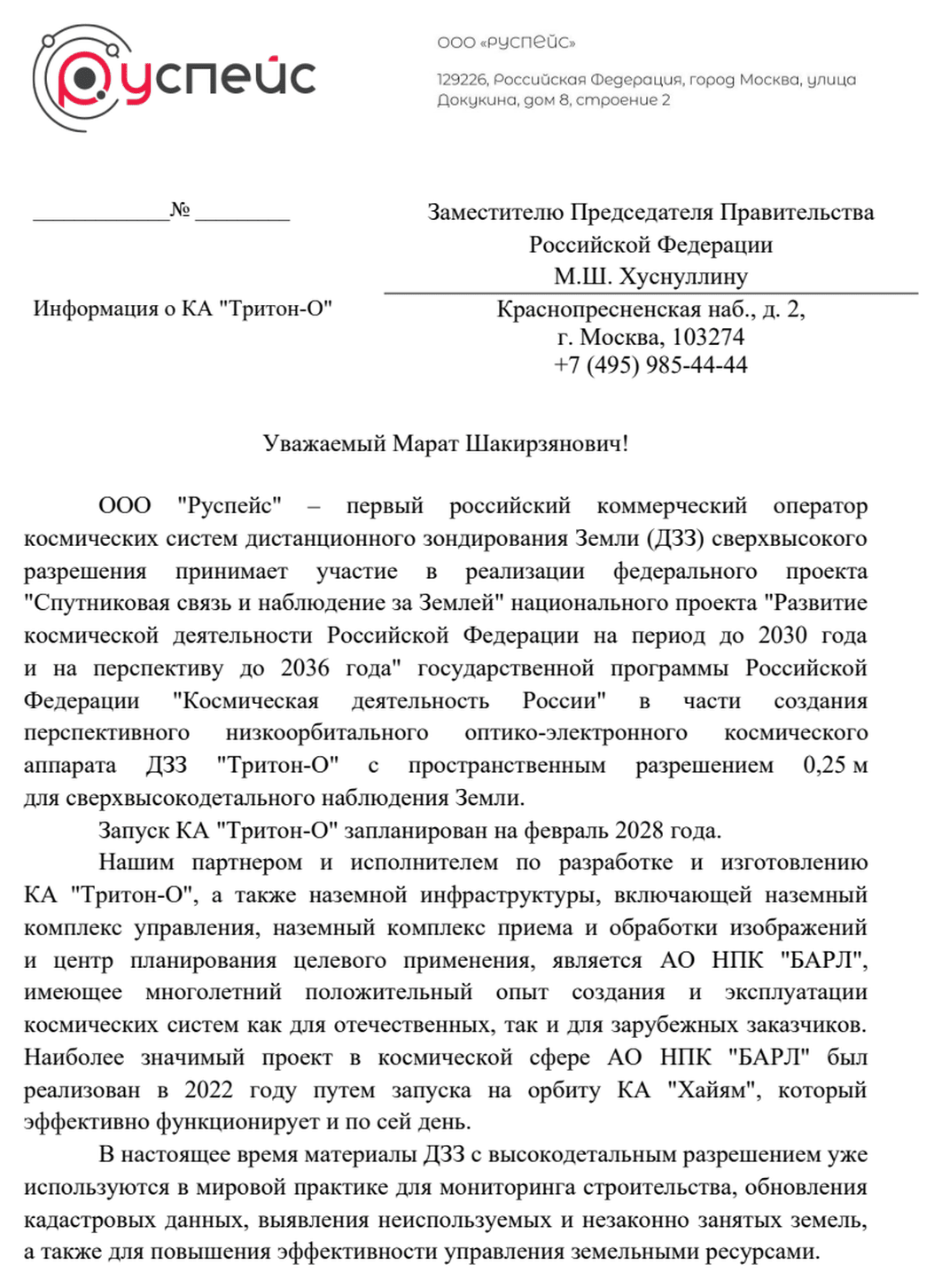
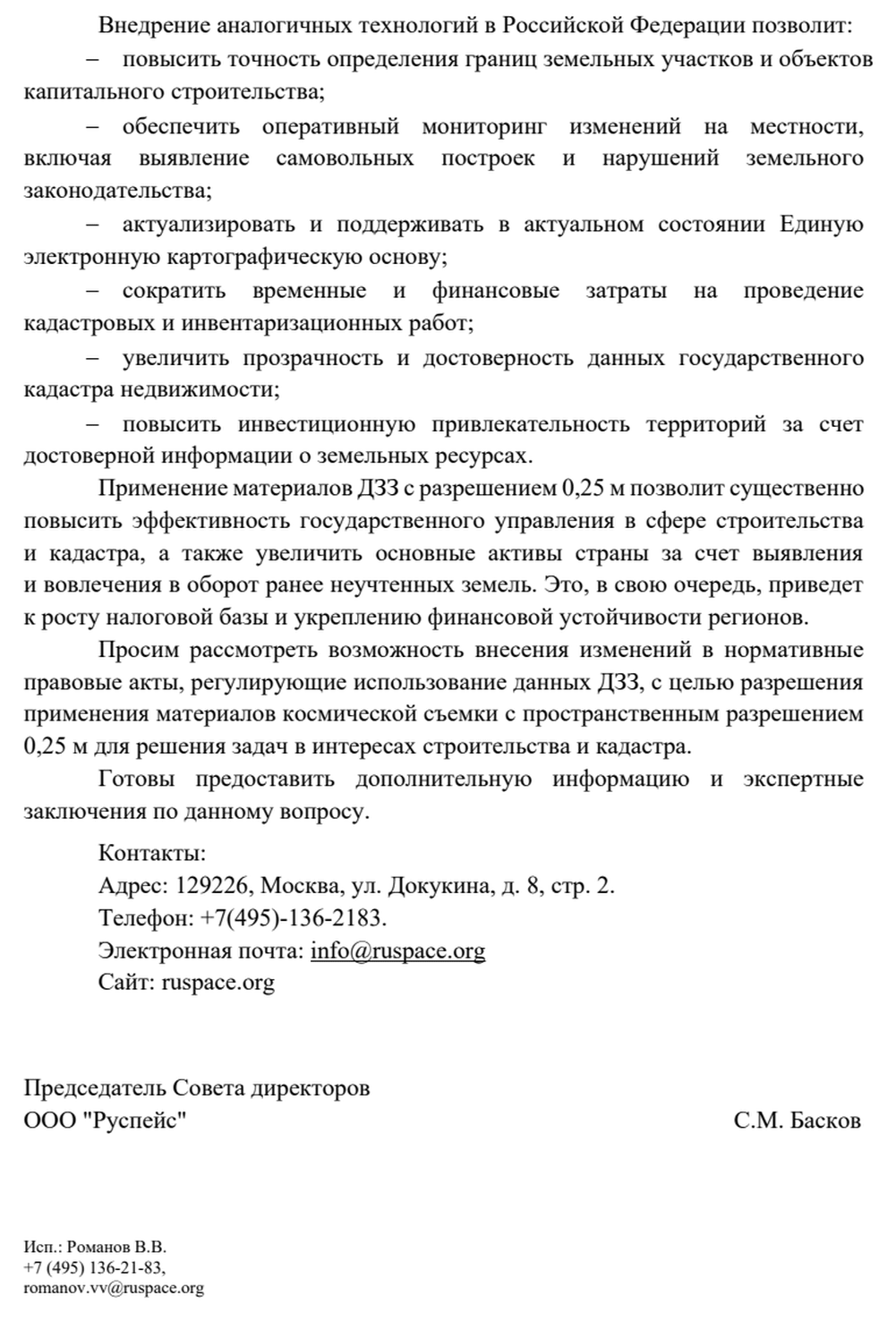
A draft letter to Russian Deputy Prime Minister Marat Khusnullin identifies Sergey Baskov, BARL’s CEO, as chairman of Ruspace’s board of directors.
The company promoted the Triton-O satellite project, which had a stated spatial resolution of 0.25 meters. Its launch was scheduled for February 2028.
At the same time, BARL itself was expected to develop the satellite and its ground infrastructure.
Như vậy, đơn vị được giới thiệu là đối tác thương mại độc lập lại có chung một giám đốc điều hành cấp cao với nhà phát triển được cấp phép và dự định sẽ hợp tác với công ty đó trong khâu triển khai kỹ thuật của dự án.
Điều này tạo ra cơ hội tiếp thị các sản phẩm và dịch vụ của BARL thông qua một thực thể pháp lý riêng biệt.
Song song đó, công ty đề xuất sửa đổi luật pháp Nga để cho phép sử dụng ảnh vệ tinh có độ phân giải 0,25 mét cho mục đích địa chính và xây dựng.
Điều này có thể tạo ra một thị trường nội địa bổ sung cho dữ liệu vệ tinh độ phân giải cao.
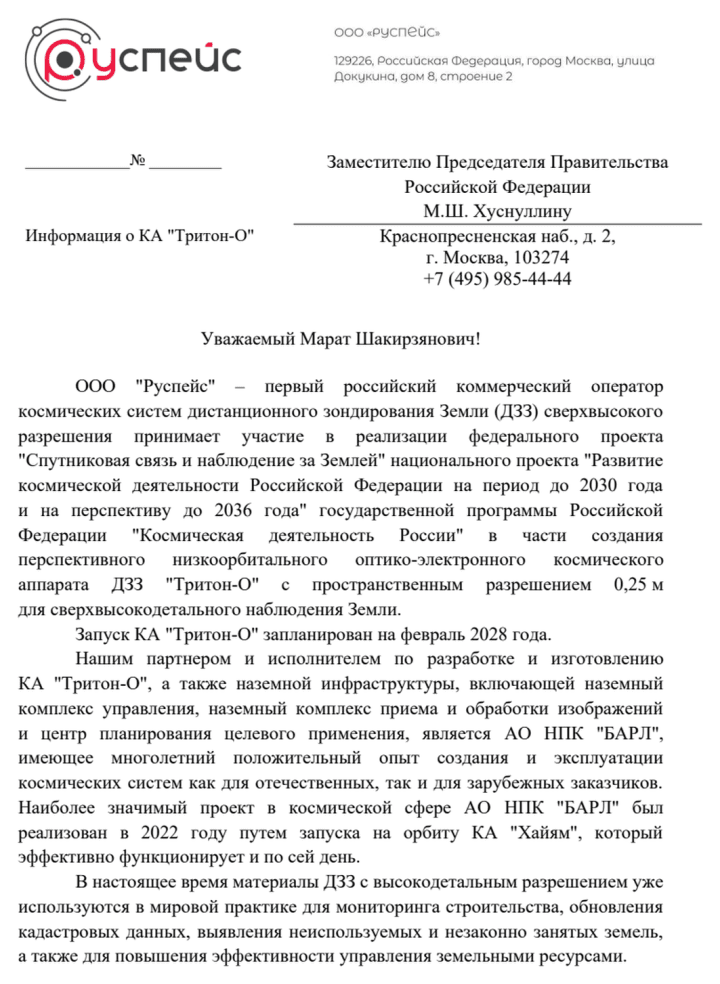
Trang đầu tiên của bức thư gửi Ruspace.
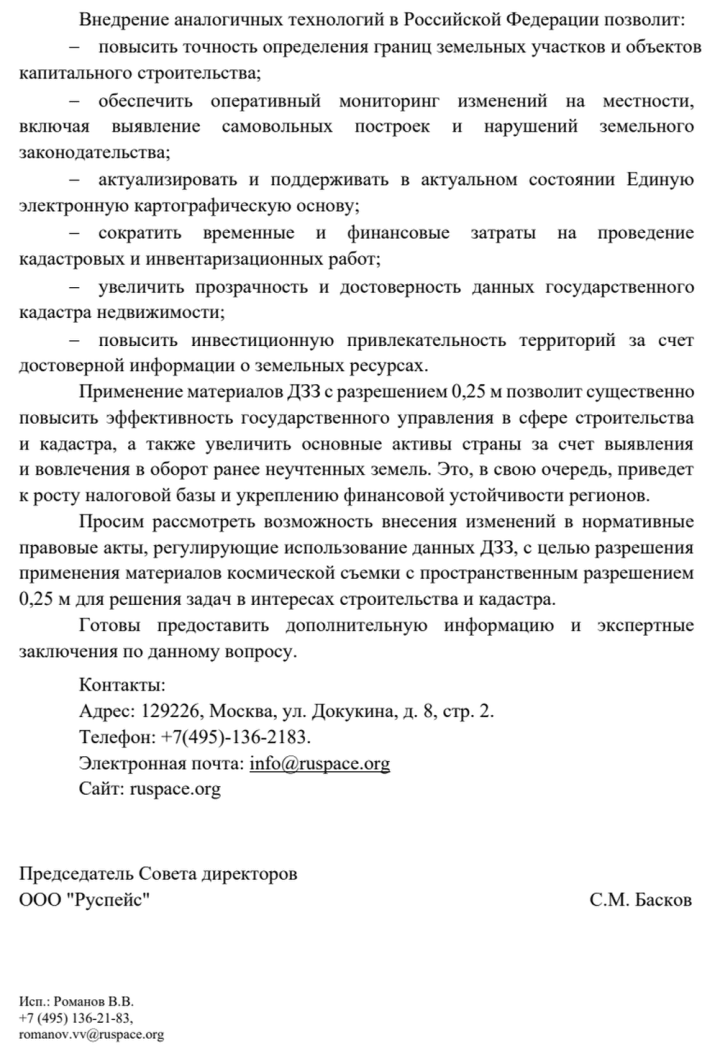
Tài liệu trình bày của Ruspace về phân đoạn trừng phạt. (Trang thứ hai của thư Ruspace)
Tại sao các lệnh trừng phạt của Mỹ không chấm dứt sự hợp tác giữa Nga và Iran?
Tháng 1 năm 2023, Hoa Kỳ áp đặt lệnh trừng phạt đối với BARL, với lý do công ty này có liên quan đến việc cung cấp hình ảnh vệ tinh cho quân đội Nga.
Tuy nhiên, ba năm sau, công ty Nga này vẫn tiếp tục tham gia bảo trì hệ thống vệ tinh được phát triển cho Iran. Các tài liệu cũng cho thấy BARL coi Khayyam là nguồn dữ liệu vệ tinh tiềm năng cho các khách hàng Nga, bao gồm cả những khách hàng trong lĩnh vực quốc phòng và an ninh.
Trong khi đó, các công nghệ được phát triển cho dự án của Iran đã trở thành cơ sở cho các đề xuất xây dựng vệ tinh mới của Nga, còn Ruspace, một công ty có liên hệ với ban lãnh đạo của BARL, đã thúc đẩy mô hình hợp tác thương mại không trực tiếp áp đặt lệnh trừng phạt đối với nhà phát triển này.
Những phát hiện này không có nghĩa là các lệnh trừng phạt của Mỹ hoàn toàn không hiệu quả hoặc mọi giao dịch được mô tả đều vi phạm các hạn chế. Tuy nhiên, chúng cho thấy rằng các lệnh trừng phạt nhắm vào một nhà thầu Nga cụ thể đã không chấm dứt được sự tham gia của nhà thầu này vào hợp tác công nghệ với Iran.
Khayyam chứng minh rằng, bất chấp các lệnh trừng phạt quốc tế, cơ sở hạ tầng vệ tinh dùng chung có thể đồng thời phục vụ nhu cầu của khách hàng Iran, tạo cơ hội thu thập thông tin tình báo và cung cấp nền tảng công nghệ cho các hệ thống không gian mới của Nga.